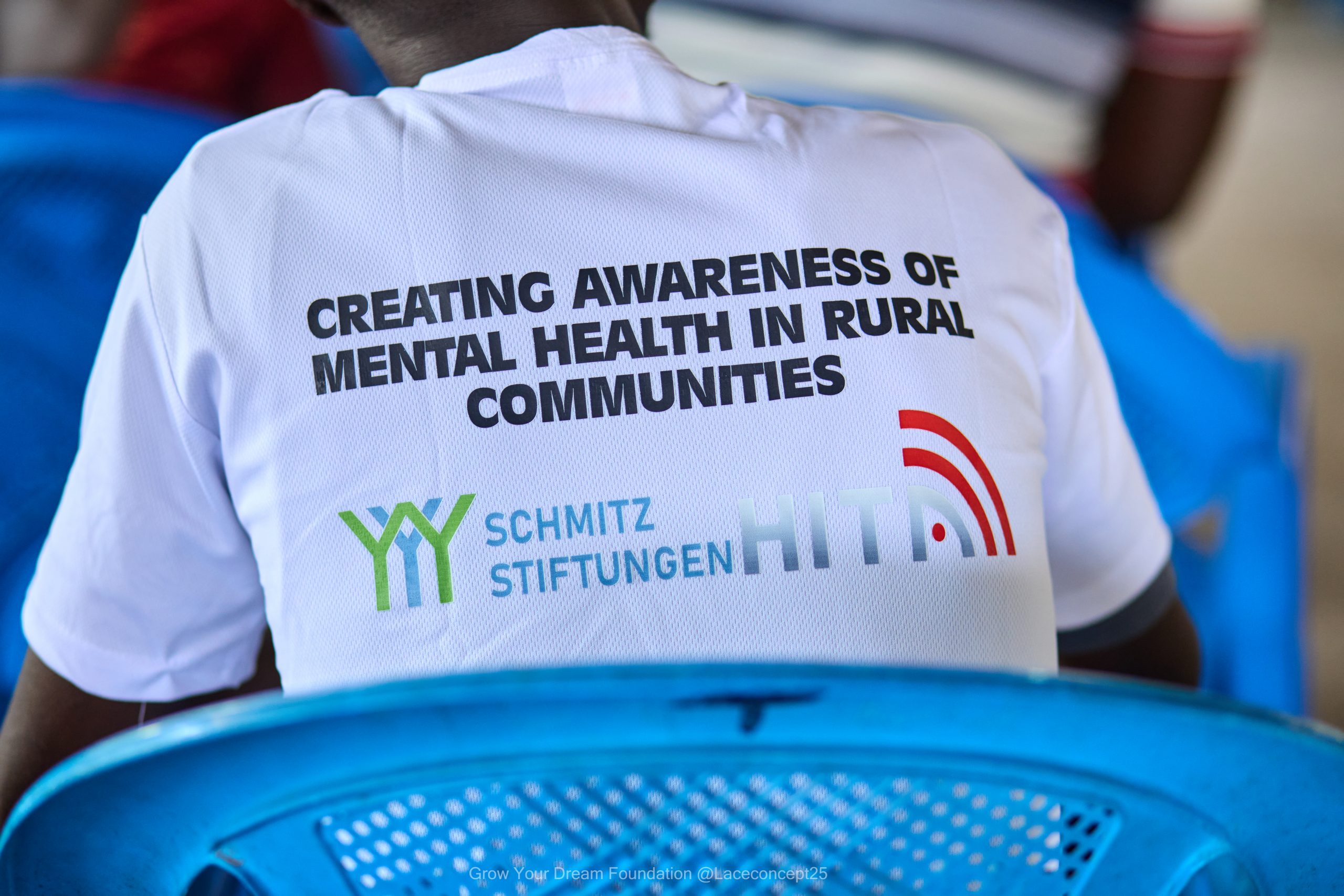
At Grow Your Dream Foundation (GYDF), we are delighted to share the significant progress achieved during the second quarter of our Mental Health Awareness Creation Project in the Adaklu District of Ghana.
Between November 2025 and January 2026, we intensified our efforts to raise awareness of mental health issues and reduce the stigma that often prevents people from seeking support. Working closely with communities, schools, health professionals and local leaders, we organised a wide range of activities across ten rural communities and three senior high schools.
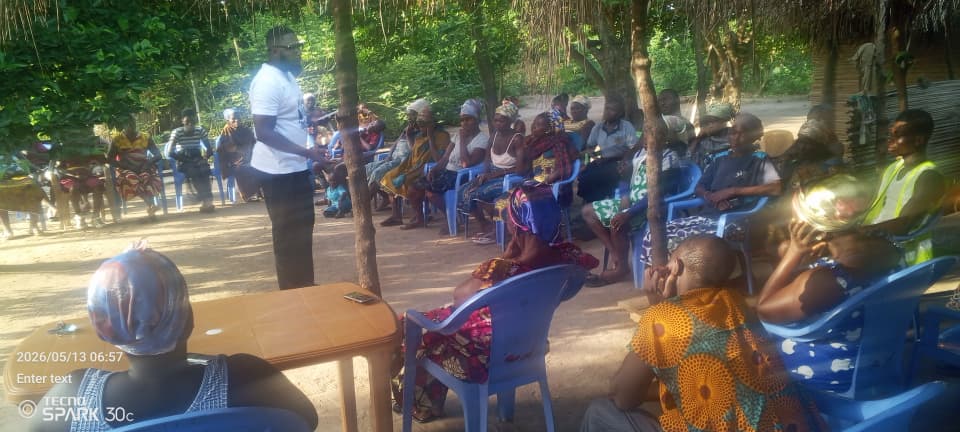
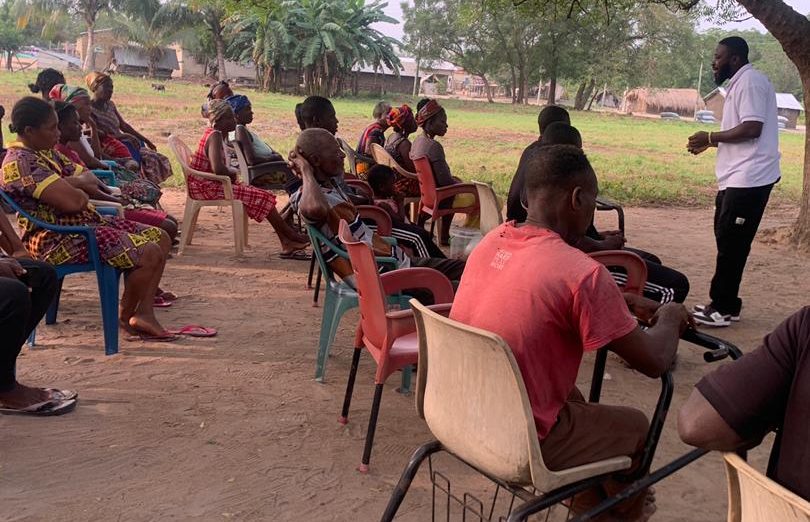
Over the reporting period, we facilitated community meetings that provided safe spaces for open discussions about mental health, emotional wellbeing, stress management, suicide prevention and available support services. These sessions encouraged participants to challenge common misconceptions about mental illness and to recognise that mental health conditions are treatable health issues rather than signs of weakness or spiritual affliction.
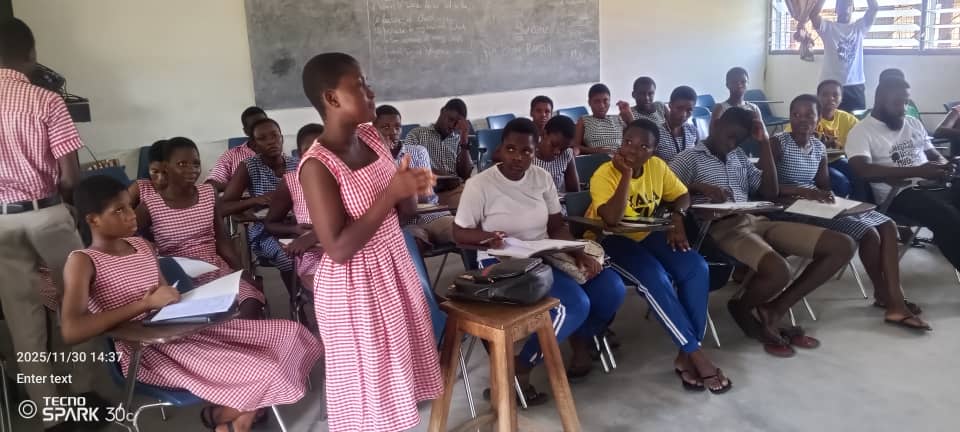
Our school-based activities were equally successful. In collaboration with mental health professionals from the Adaklu Health Directorate, we engaged hundreds of students and teachers through interactive discussions, role plays and question-and-answer sessions. These activities helped young people better understand mental health challenges, identify early warning signs and support their peers in times of need.
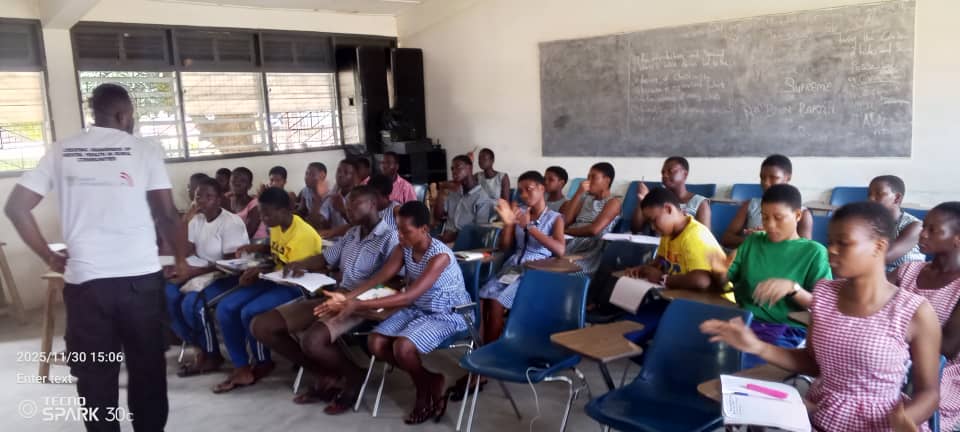
A key feature of the project has been the integration of gender equality into all activities. Together with community members, we explored how harmful gender norms can contribute to mental health challenges, particularly for women, girls and young people. Through dialogue and practical exercises, participants identified ways to build more supportive families and communities.
The project also supported a variety of locally led initiatives, including peer support groups, savings and loan schemes, youth forums, mother support groups and leadership training for community volunteers. These activities have strengthened local ownership of the project and created sustainable platforms for ongoing awareness raising.
Overall, our activities during this period reached more than 5,000 people across the target communities and schools. We are particularly encouraged by the strong community participation and by the growing interest from many additional communities that would like to benefit from similar interventions.
As we move into the final phase of the project, we remain committed to working with our partners to promote mental wellbeing, reduce stigma and ensure that mental health becomes an integral part of community development in the Volta Region. We are grateful to all participants, community leaders, teachers, health professionals and supporters whose commitment is helping to create lasting positive change.
Download the second project activity report here: